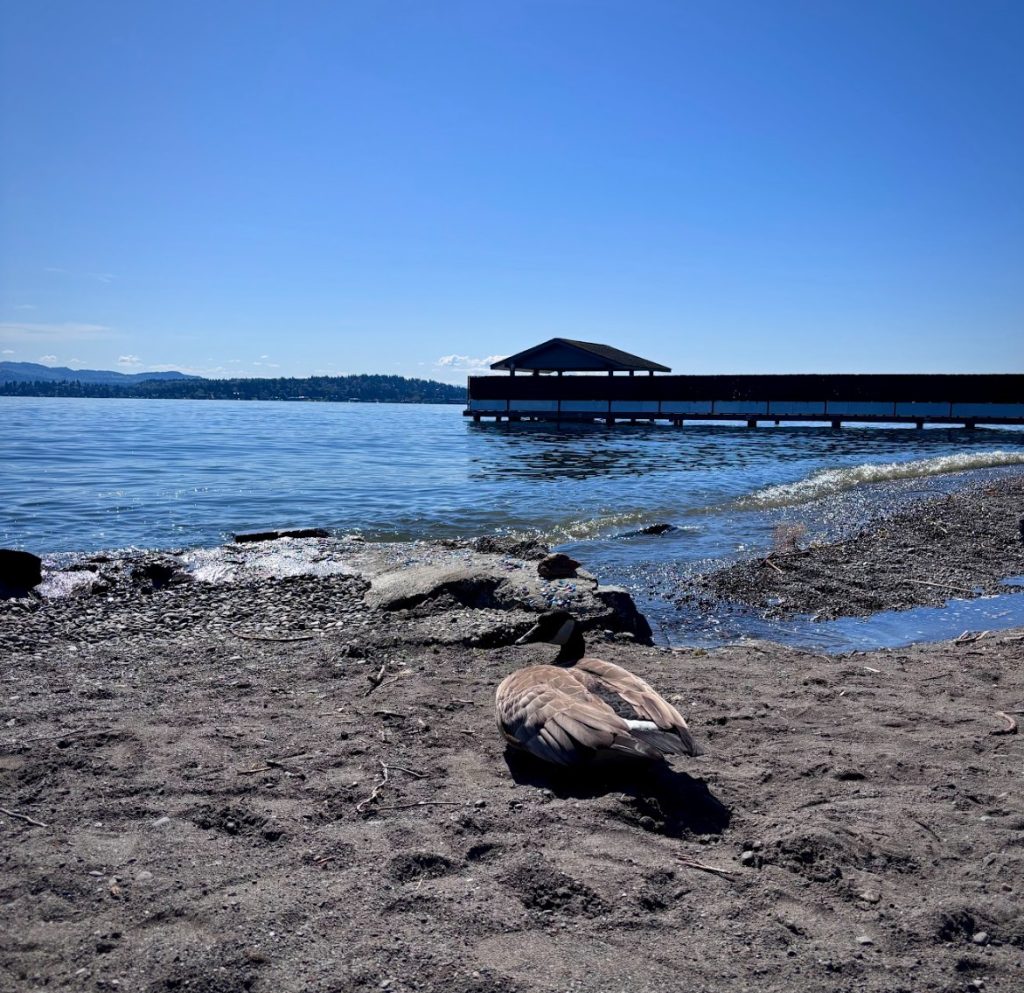
There is a tendency, when talking about LGBTQ+ spaces, to focus on bars, clubs, cafes, and other private venues. These places have played an important role in LGBTQ+ history and continue to do so today. For many people, they were among the few places where it was possible to gather openly, find community, and feel safe.
But too often, we celebrate LGBTQ+ spaces without asking who can afford to participate in them.
Many gathering spaces require money. Meet friends, buy a drink. Attend an event, purchase a ticket. Spend time in community, pay a membership fee or cover charge.
There is nothing inherently wrong with these spaces. LGBTQ+ bars, bookstores, cafes, and community centers have served as lifelines for generations. But when community is concentrated in private venues, access often becomes tied to a transaction. At the same time, rising rents and economic pressures have forced the closure of many beloved gathering places across the country.
As these spaces disappear, the importance of free and accessible public space only grows. Public parks, beaches, and other shared spaces offer something different. A place where people can gather, connect, and build relationships without first opening their wallet.
Community should not be reserved for those who can afford it.
As a transgender woman and Co-Chair of the Seattle LGBTQ Commission, Jessa Davis described this dynamic directly:
“As queer people, we’re often told to take our community indoors. Go to the gay bar. Go to your community center. Be out of the public eye… A lot of places are centered around nightlife, alcohol, or specific activities. But what about just hanging out at a park in the afternoon?”
Denny Blaine park, as Jessa described it, is a “center of community”, a place where people return to again and again. Public spaces like this offer something private venues cannot: the simple ability to exist openly in a decommercialized space accessible to all. Public spaces such as Denny Blaine provide access to community for those who cannot readily access spaces traditionally reserved for queer people, and to do so in a way that is not hidden away or gatekept.
Jessa challenged another common assumption directly:
“I think the big difference is whether you’re in a space where queer people are desperate for the acceptance of broader society or whether they’re comfortable allowing for difference.”
Her observation points to an important shift in perspective. Communities do not need to become more familiar, more acceptable, or more like everyone else in order to deserve a place in public life.
Jessa also reflected on how these questions play out in her own life:
“As a trans woman, I’m always worried when I’m at a park, especially with children in my life. Is someone going to assume something because of that hypersexualization?”
The concern Jessa describes points to a broader reality. LGBTQ+ people are often forced to navigate stereotypes that have little to do with who they actually are. Assumptions of suspicion, danger, or threat can persist because of long-standing prejudices rather than anything a person has actually said or done.
As Jessa explained:
“The reason queerness in the public eye is such a problem is because we are hypersexualized. We are being viewed through the eyes of people who approach these things with shame and exoticism.”
Public spaces challenge those assumptions by allowing people to encounter one another as human beings rather than stereotypes. They create opportunities for understanding that cannot happen when communities are pushed out of sight.
Jessa argues that the conversation goes beyond visibility alone.
“I’ve lived in red states around people who identify as libertarians. Their conversation about bodily autonomy is often centered on property and liberty in a way that misses the point. If you don’t own your body, what good is property?”
Jessa’s point challenges a common way of thinking about freedom. Public debates often focus on property rights and ownership. Her argument is that autonomy begins somewhere more fundamental.
Before people own land, businesses, or homes, they possess themselves.
For LGBTQ+ people, the freedom to express identity, build relationships, and participate in public life has always been tied to that principle. The freedom to exist openly, build relationships, express identity, and participate in society without being forced into hiding.
In that sense, public space is about more than recreation. It is about self-determination. It is about whether people are free to make choices about their own lives while sharing space respectfully with others. It is about whether belonging is something that must be earned, or something that is recognized as a fundamental part of being human.
Ultimately, public space is not valuable because everyone who uses it thinks the same way. It is valuable because it belongs to all of us.
As Jessa puts it, public space requires a willingness to make room for difference.
“In the same way, we’re encountering arguments like: ‘I don’t like that I can look out the window and see something that makes me feel a certain way. I don’t like that it exists. I don’t like that those people can be there.’”
Cities are made up of many different communities, experiences, and ways of life. Public spaces allow those communities to become visible to one another while remaining themselves.
The question is not whether every person will understand every community. The question is whether we are willing to make room for one another.
Public space is one of the few places where that question is answered every day.
Leave a Reply